


The Quality Assurance Unit serves as a central pillar in driving excellence in patient care, safety, and organizational performance. Quality Assurance is embedded within all clinical and non-clinical operations, ensuring that care delivery is consistent, evidence-based, and aligned with national regulations and international best practices.
Through governance structures, multidisciplinary collaboration, and adherence to established standards, Tapion Hospital maintains a proactive approach to identifying risks, monitoring outcomes, and strengthening systems of care.
Our Continuous Quality Improvement (CQI) framework is built on a structured and data-driven methodology, incorporating tools such as audits, incident reporting, patient feedback, and performance indicators to inform decision-making.
Utilizing the Plan-Do-Study-Act (PDSA) cycle, the hospital continuously evaluates processes, implements targeted interventions, and measures outcomes to drive sustainable improvements.
Root cause analysis methodologies, including the 5 Whys and Fishbone diagrams, are applied to address gaps and prevent recurrence of adverse events.
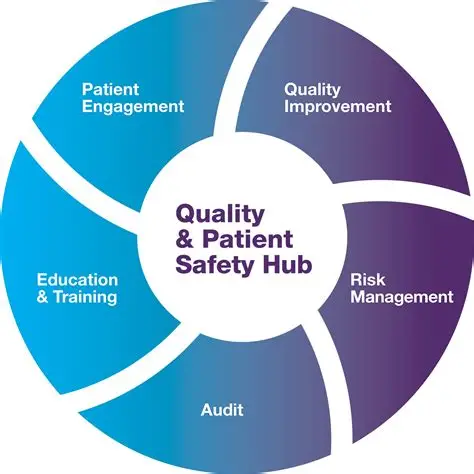
The Quality Assurance Unit oversees key domains including Infection Prevention and Control (IPC), patient safety, risk management, policy development, and regulatory compliance.
Regular monitoring mechanisms such as environmental inspections, clinical audits, and surveillance activities ensure that standards are upheld and deviations are promptly addressed.
Staff engagement remains a cornerstone of the framework, with ongoing training, capacity building, and accountability measures fostering a culture of safety and continuous improvement.
Through this integrated approach, Tapion Hospital reinforces its commitment to delivering high-quality, patient-centered care while continuously evolving to meet the dynamic demands of healthcare delivery.
At Tapion Hospital, we remain steadfast in our commitment to both quality and patient safety, with a strong emphasis on Infection Prevention and Control (IPC) practices. We strive to deliver care within a structured, systematic framework that ensures the highest standards are consistently maintained.
Our approach integrates evidence-based IPC measures to safeguard patients, staff, and visitors, reinforcing a culture where safety is embedded in every aspect of care delivery.

From a quality and clinical governance perspective, healthcare-associated infections (HAIs) remain a significant risk within the hospital environment, particularly due to the potential for cross-contamination and frequent exposure to high-touch surfaces.
Effective hand hygiene is a fundamental and evidence-based intervention that plays a critical role in preventing the transmission of infections and safeguarding patient safety.
We are committed to maintaining robust Infection Prevention and Control (IPC) practices aligned with both national and international standards. This includes continuous staff training and competency development in key areas such as hand hygiene, environmental cleaning, and infection control protocols.
Additionally, structured IPC programs and ongoing surveillance activities are implemented to ensure best practices are consistently upheld, risks are mitigated, and a culture of safety and quality is sustained across all departments.